
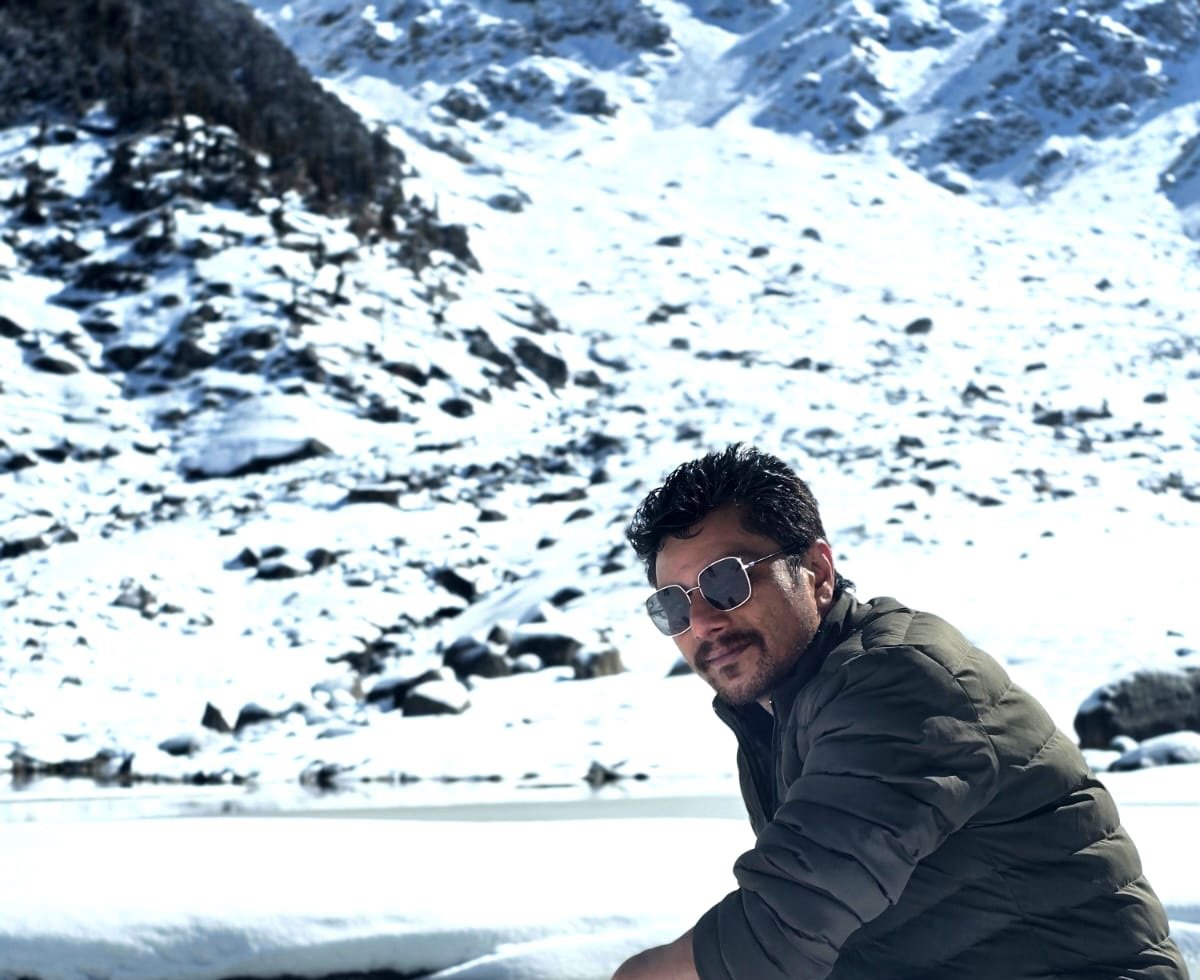
The Minkiani Pass Trek is a high-altitude Himalayan route set in the rugged terrain of the Dhauladhar Range, close to Dharamshala. Known for its raw landscapes, alpine meadows, and glacial surroundings, the trek offers a more secluded and immersive experience compared to popular trails in the region.
Understanding the best time to visit Minkiani Pass Trek is essential for planning a safe and rewarding journey, as weather and trail conditions play a crucial role in the overall experience.
This guide presents a complete overview, including the best time to visit Minkiani Pass Trek, distance from Dharamshala, altitude, route details, and practical advice for trekkers and travelers.
Minkiani Pass Trek Overview
- Location: Near Dharamshala
- Starting Point: Kareri Village
- Trek Distance: Approx. 18–22 km (round trip)
- Maximum Altitude: ~4,250 meters (13,944 ft)
- Duration: 2–3 days
- Difficulty Level: Moderate to challenging
The trek passes through forests, river crossings, and high-altitude ridges, eventually leading to panoramic views near the pass.
Distance from Dharamshala
Minkiani Pass is easily accessible from Dharamshala:
- Dharamshala to Kareri Village: ~25 km by road
- Kareri Village to Minkiani Pass: ~13–15 km (one way trek)
The road journey takes about 1–1.5 hours, followed by a gradual ascent into the mountains.
Best Time to Visit Minkiani Pass Trek
The most favorable time for the Minkiani Pass Trek is:
May to June (Summer)
- Temperature: 10°C to 20°C
- Snow begins to melt
- Trails become accessible
- Lush greenery and flowing streams
September to October (Autumn)
- Temperature: 5°C to 15°C
- Clear skies and sharp visibility
- Dry and stable trekking conditions
These months provide the safest and most scenic trekking experience.
Seasons to Avoid
Monsoon (July–August)
- Slippery and risky trails
- Landslides and poor visibility
- Not suitable for trekking
Winter (November–April)
- Heavy snowfall and blocked routes
- Sub-zero temperatures
- Requires advanced trekking skills and gear
Route Highlights
The Minkiani Pass Trek offers diverse landscapes:
- Dense pine and oak forests
- River crossings and rocky terrain
- Alpine meadows and grazing lands
- High-altitude views near Kareri Lake
The section near the pass provides stunning panoramic views of the Dhauladhar peaks.
Why Timing Is Important
Due to its remote nature, Minkiani Pass does not have extensive infrastructure. Choosing the right season ensures:
- Safer trail conditions
- Better navigation
- Clear visibility
- Overall enjoyable experience
Incorrect timing can lead to dangerous trekking conditions.
Essential Packing List
- Trekking shoes with good grip
- Warm clothing (layered system)
- Waterproof jacket
- Backpack (30–40L)
- Water bottles and snacks
- First-aid kit
For colder conditions, include thermals, gloves, and insulated jackets.
Advice for Trekkers and Travelers
- Maintain a steady pace to avoid altitude sickness
- Stay hydrated throughout the trek
- Avoid overpacking—carry only essentials
- Hire a local guide if unfamiliar with the route
- Start early each day to avoid weather changes
- Do not trek alone in remote sections
Fitness Requirements
The trek requires moderate fitness:
- Ability to walk 5–7 hours daily
- Good stamina for uphill climbs
- Basic acclimatization to altitude
Beginners can attempt it with preparation, but prior trekking experience is helpful.
Nearby Attractions
Travelers often combine the trek with nearby destinations:
- Dharamshala – scenic hill town
- McLeod Ganj – Tibetan culture and monasteries
- Kareri Lake – popular trekking and camping spot
Final Thoughts
The Minkiani Pass Trek is best experienced during summer and autumn, when the weather is stable and the trail is accessible. Understanding the best time to visit Minkiani Pass Trek becomes essential at this stage, as seasonal conditions directly influence safety, visibility, and overall trekking comfort. With an altitude of over 4,000 meters and a moderate level of difficulty, proper planning and timing are crucial for a successful journey. Trekkers should prepare for changing weather, carry appropriate gear, and allow time for acclimatization. Choosing the right season not only enhances the experience but also ensures a safer and more enjoyable exploration of the Dhauladhar Range
For those looking to explore this route with structured planning and local expertise, you can consider trekking with Hill Hikers for a safer and more organized experience. With experienced local guides, well-planned itineraries, and a strong understanding of the Dhauladhar Range terrain, Hill Hikers ensures that trekkers can focus on the journey rather than logistics. From route navigation and campsite selection to safety measures and weather assessment, every aspect is handled professionally. This is especially valuable for first-time trekkers or those unfamiliar with high-altitude conditions near Dharamshala, allowing for a more comfortable and confident trekking experience.