
Indrahar Pass Trek – Complete Guide & Day-Wise Itinerary
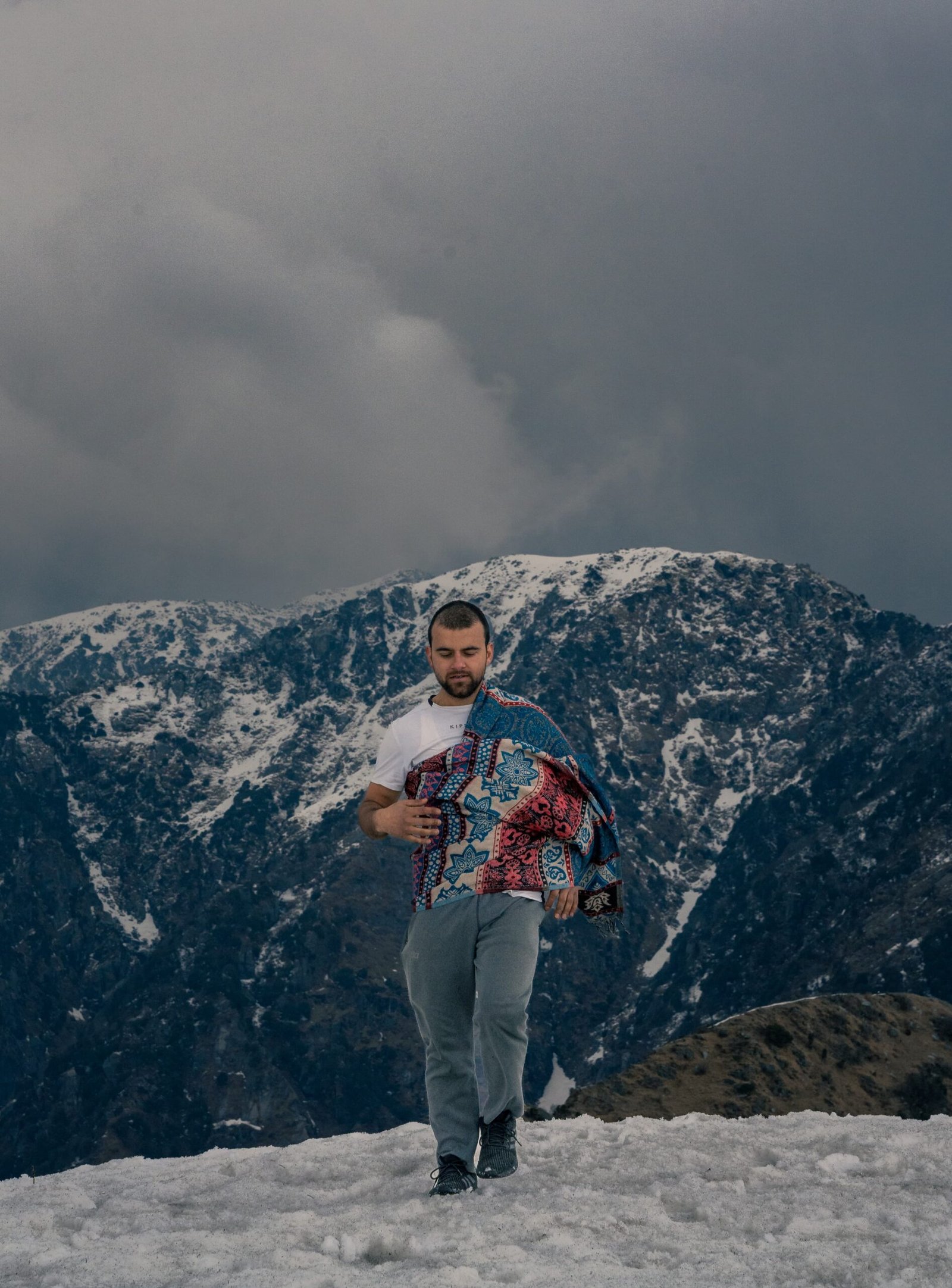
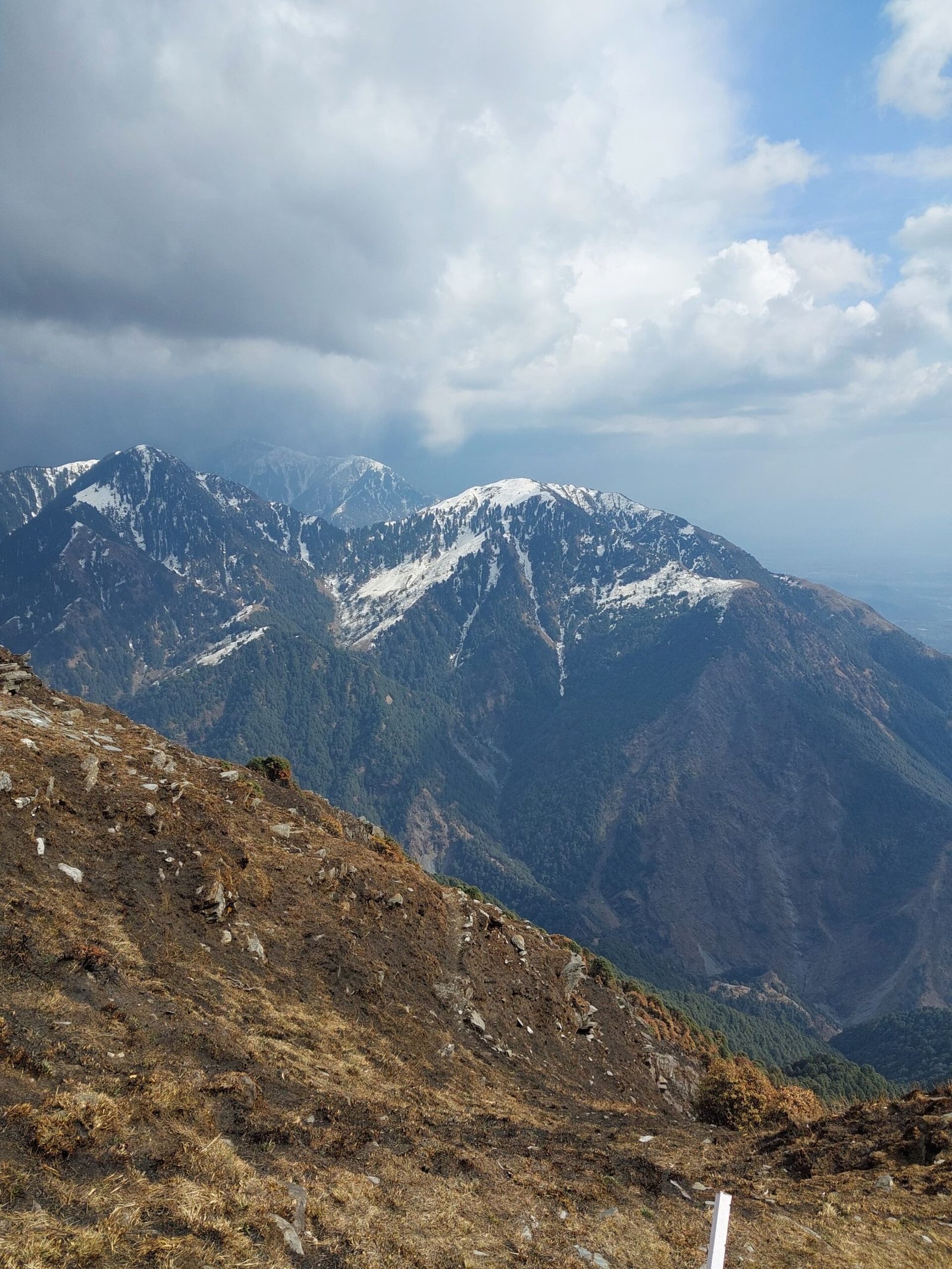
The Indrahar Pass Trek is one of the most exciting high-altitude trekking adventures in Himachal Pradesh. Located in the rugged Dhauladhar Range, this trek offers dramatic landscapes, steep mountain trails, and breathtaking views of two beautiful valleys—Kangra Valley and Chamba Valley.
Starting from the popular hill town of McLeod Ganj, the trek takes you through dense forests, alpine meadows, rocky ridges, and glacier-fed trails before reaching the majestic Indrahar Pass (4,342 meters). Trekkers experience changing landscapes, peaceful camping spots, and some of the most spectacular Himalayan views.
The trek is considered moderate to challenging, making it perfect for trekkers who want a rewarding mountain adventure combined with raw natural beauty. Along the way, famous campsites like Triund, Laka Got, and Lahesh Cave provide stunning sunset views, star-filled skies, and unforgettable camping experiences.
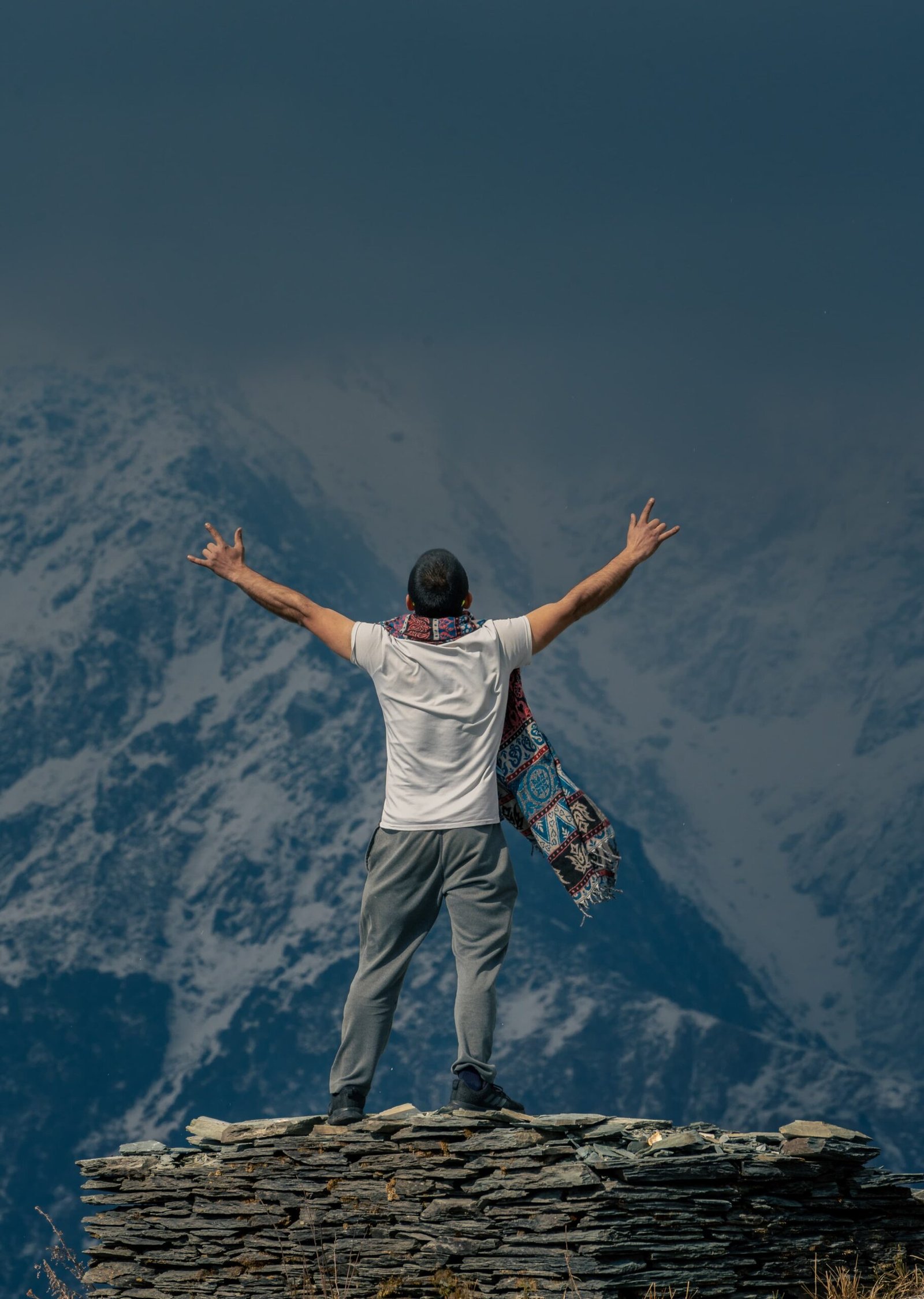
Reaching the Indrahar Pass is the ultimate highlight of the trek. From the top, trekkers are rewarded with panoramic Himalayan views stretching across both the Kangra and Chamba regions.
Short Day-Wise Itinerary – Indrahar Pass Trek
Day 1: McLeod Ganj → Triund Trek & Camp
The journey begins from McLeod Ganj, a vibrant mountain town known for its Tibetan culture and scenic surroundings. The trail gradually climbs through oak, pine, and rhododendron forests before opening into the beautiful meadow of Triund.
Triund offers one of the best viewpoints in the region, with panoramic views of the Dhauladhar mountains on one side and the Kangra Valley on the other. After reaching the campsite, trekkers enjoy sunset views followed by dinner and an overnight stay under the Himalayan sky.
Day 2: Triund → Laka Got / Lahesh Cave Camp
On the second day, the trail becomes steeper and more rugged as you move higher into the mountains. The route passes through rocky terrain and glacial sections while offering incredible views of surrounding peaks.
Trekkers reach Laka Got, a beautiful high-altitude campsite surrounded by snow patches during early summer. The trek then continues to Lahesh Cave, a natural rock shelter traditionally used by shepherds. This campsite provides a unique mountain experience and prepares trekkers for the summit push the next day.
Day 3: Laka Got → Indrahar Pass → Chhata Paro Camp
This is the most challenging and rewarding day of the trek. The trail climbs steeply over rocky ridges and snow slopes until reaching the spectacular Indrahar Pass.
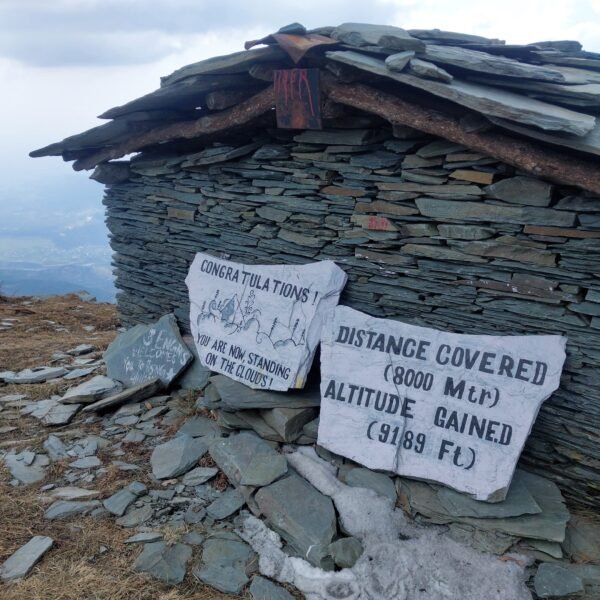
Standing at 4,342 meters, the pass offers breathtaking views of both Kangra Valley and Chamba Valley. After spending time at the summit, the descent begins towards the scenic campsite of Chhata Paro, located on the Chamba side of the mountains. Overnight camping here allows trekkers to experience the quieter and less-explored side of the Himalayas.
Day 4: Chhata Paro → Kuarsi Village → Trek Ends
The final day involves descending through beautiful mountain trails and alpine landscapes toward Kuarsi Village in the Chamba region.
The trail passes through traditional shepherd routes, forests, and scenic valleys before reaching the village. From Kuarsi, vehicles can take trekkers back toward Dharamshala or onward to their next destination, marking the end of an unforgettable Himalayan adventure.
Why Choose the Indrahar Pass Trek?
The Indrahar Pass Trek stands out as one of the most adventurous treks near Dharamshala. It combines scenic forest trails, high-altitude alpine terrain, and spectacular Himalayan views in a relatively short trekking duration.
Trekkers experience:
-
Stunning views of the Dhauladhar mountain range
-
Famous campsites like Triund and Lahesh Cave
-
Challenging high-altitude trekking terrain
-
Panoramic views from Indrahar Pass
-
A unique crossover from Kangra Valley to Chamba Valley
This trek is ideal for trekkers looking for a true Himalayan challenge with rewarding landscapes and authentic mountain camping experiences.
Book Your Indrahar Pass Trek with Hill Hikers
For a safe and memorable trekking experience, choose Hill Hikers, a trusted adventure company based in Dharamshala. With experienced guides, well-planned itineraries, and safety-focused trekking operations, Hill Hikers ensures that every trekker enjoys the mountains with confidence and comfort.
Whether you are an experienced trekker or an adventure enthusiast seeking your next Himalayan challenge, the Indrahar Pass Trek offers an unforgettable journey into the heart of the Himalayas.
Conquer the heights, embrace the adventure, and create lifelong mountain memories.
Frequently Asked Questions – Indrahar Pass Trek
Booking & Pricing
1. What does the ₹6,999 package include? The package includes accommodation in shared dome tents (or natural caves like Lahesh Cave), all vegetarian meals during the trek, an oxygen cylinder, first aid kit and stretcher, and a mountaineering-qualified professional trek leader with guide and support staff.
2. What is not included in the price? Tips and gratuity for the team, personal expenses, costs from natural calamities, any unlisted services, and all necessary permits and entry fees.
3. How do I book the Indrahar Pass Trek? You can book by filling out the query form on the Hill Hikers website, or reach out directly at +91-9736971825 or hillhikers7471@gmail.com.
Trek Details & Route
4. Where does the trek start and end? The trek starts and ends at the Hill Hikers Office in Bhagsunag, McLeodganj. Meeting time is 9:00 AM on Day 1.
5. What is the full route of the trek? Day 1: McLeodganj → Triund (camp). Day 2: Triund → Lahesh Cave → Ilaqa Got (camp). Day 3: Ilaqa Got → Indrahar Pass summit → return to Ilaqa Got (camp). Day 4: Ilaqa Got → McLeodganj.
6. What is the total duration of the trek? 4 days / 3 nights.
7. What are the key campsites on the trek? Triund (Day 1), Lahesh Cave / Ilaqa Got (Day 2), and Ilaqa Got again (Day 3). Each offers a distinct experience — Triund for panoramic valley views, Lahesh Cave for a raw shepherds’ shelter stay, and Ilaqa Got for high-altitude solitude.
8. What is Lahesh Cave? Lahesh Cave is a natural rock shelter at 3,500 meters, traditionally used by Gaddi shepherds. It serves as the base camp before the summit push and is one of the most memorable and unique overnight experiences on the trek.
Difficulty & Fitness
9. How difficult is the Indrahar Pass Trek? The trek is rated moderate to challenging. The initial stretch to Triund is easy, but the climb from Lahesh Cave to the Indrahar Pass involves steep rocky ridges and potentially snow-covered paths. Good physical stamina and some prior trekking experience are recommended.
10. What is the minimum age for the trek? 15 years. Children below 7 years are not recommended for this trek under any circumstances.
11. Is prior trekking experience required? While not mandatory, it is strongly recommended. Trekkers should be physically fit and comfortable with long hours of walking on steep and uneven terrain.
Altitude & Summit
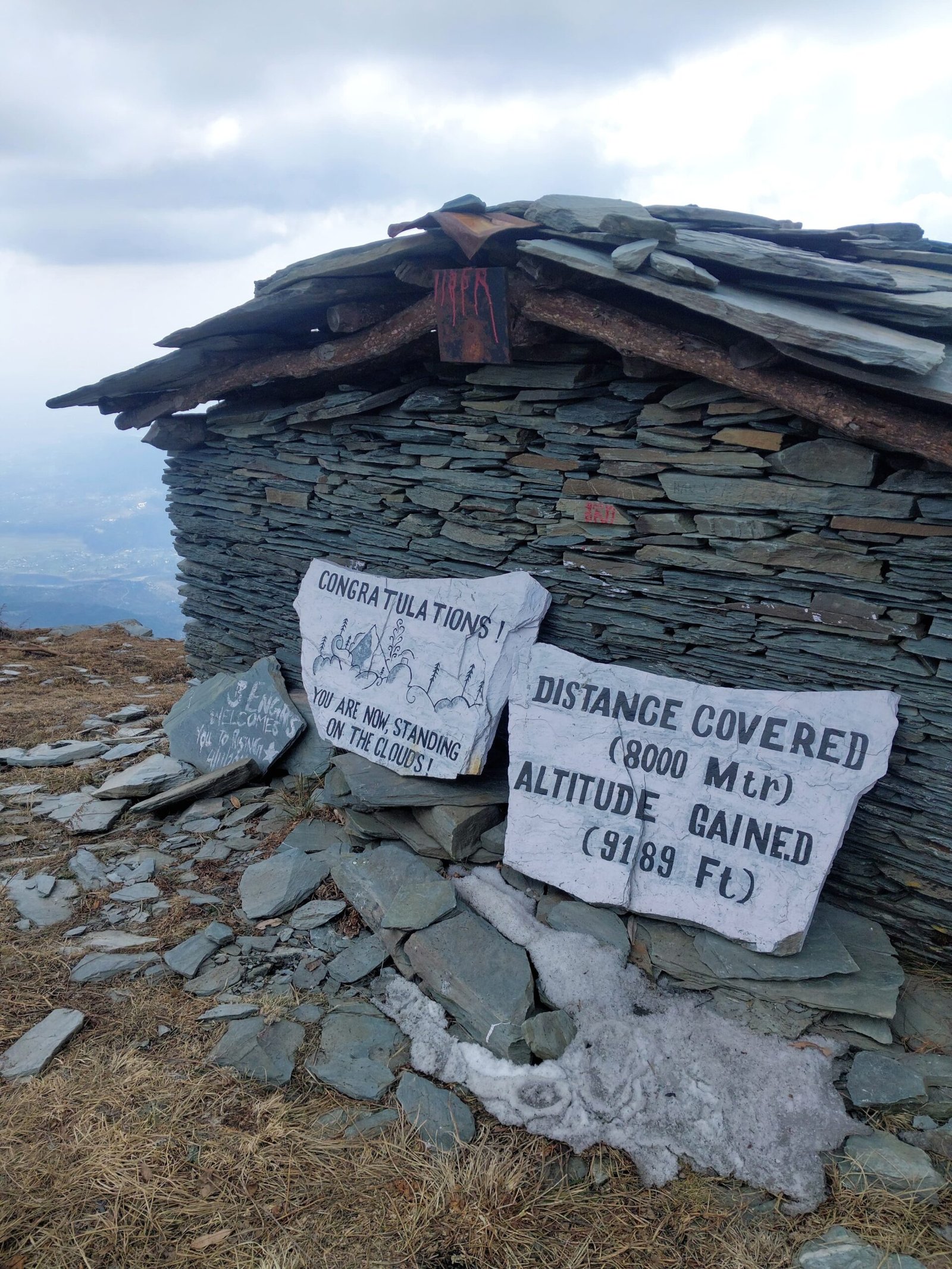
12. What is the maximum altitude of the trek? The Indrahar Pass summit stands at 4,342 meters (approximately 14,245 feet) above sea level.
13. What views can I expect from the Indrahar Pass? The pass offers breathtaking 360-degree panoramic views including the Mani Mahesh Kailash peak, the Pir Panjal Range to the north, the Kangra Valley to the south, and the Chamba Valley on the other side.
14. Does the trek cross from one valley to another? Yes. The Indrahar Pass is the crossing point between Kangra Valley and Chamba Valley — one of the unique features that sets this trek apart from others in the region.
Best Time & Weather
15. When is the best time to do the Indrahar Pass Trek? The ideal seasons are May to June and September to November, when the weather is stable, trails are accessible, and views are clear. Monsoon season should be avoided due to slippery trails and unpredictable weather.
16. Is snow expected on the trek? Yes, especially on the higher sections near Lahesh Cave and the summit. Snow patches can be present even in early summer (May–June). Proper layered clothing and trekking boots are essential.
17. What is the typical weather like at high altitude? Conditions can change rapidly. Mornings are usually clear but afternoons can bring cloud cover, strong winds, and cold temperatures. Always follow your guide’s advice on timing, especially for the summit day.
Safety & Guidelines
18. Are there any health precautions I should take? Consult a physician before the trek. Allow time to acclimatize to high altitudes, stay well hydrated, avoid alcohol during the trek, and carry any personal medications you may need. The team carries an oxygen cylinder and first aid kit for emergencies.
19. What should I avoid during the trek? Avoid trekking at night unless it is part of the itinerary and a guide is present. Do not use earphones as they reduce awareness of surroundings. Avoid alcohol, plastic bags, and littering — the trek passes through an eco-sensitive zone.
20. What happens if weather conditions become dangerous? The management reserves the right to modify or cancel the trek during emergencies or natural calamities. All activities are weather-dependent, and your guide’s decisions on the trail are final for safety reasons.
Packing & Gear
21. What should I pack for the Indrahar Pass Trek? Sturdy trekking boots, three warm layers (base layer, fleece, windproof/waterproof jacket), gloves, woollen cap, sunscreen, sunglasses, at least 2 reusable water bottles, a headlamp/torch, dry snacks, a rain cover for your bag, and a basic personal first aid kit.
22. How much luggage should I carry? Keep your pack as light as possible — the heavier your bag, the harder the trek. Carry only essentials. Dry snacks and a refillable water bottle can save both weight and money on the trail.
23. Will there be charging points or electricity on the trek? Electricity and charging points may be available at a few locations but cannot be guaranteed at all campsites. Plan accordingly and carry a power bank if needed.
Ready for Your Next Himalayan Adventure?
If you loved the Indrahar Pass Trek, take your Himalayan journey even further with the **Minkiani Pass Trek** — an offbeat 4-day adventure through the same stunning Dhauladhar Range. Starting from Kareri Village, the trail takes you past the crystal-clear Kareri Lake and up to Minkiani Pass at 4,350 meters, with panoramic views of the Dhauladhar snowline, Kangra Valley, and neighbouring high passes including Indrahar and Baleni.
Perfect for trekkers looking for fewer crowds and equally spectacular scenery, it is available at just ₹5,499.